“Old Ryan’s opinion is a disgrace to the Bench”real smutty!”

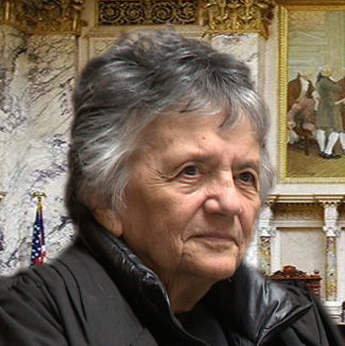
“In the 1870’s Lavinia Goodell became the first woman admitted to the Wisconsin state bar and then fought an epic battle for the right to practice before that state’s highest court. One century later I was sworn in as Wisconsin’s first woman Supreme Court Justice. Throughout my career in the law I worked hard to open doors for others, just as Lavinia opened the doors to the courtroom where I proudly sat for more than four decades, and presided as Chief Justice for more than 18 years. Lavinia resides in the pantheon of Wisconsin heroes. This website is a wonderful and loving tribute to this remarkable person. I urge everyone to scroll through these pages and find inspiration. Forward!” – Former Chief Justice Shirley S. Abrahamson, March 2, 2020
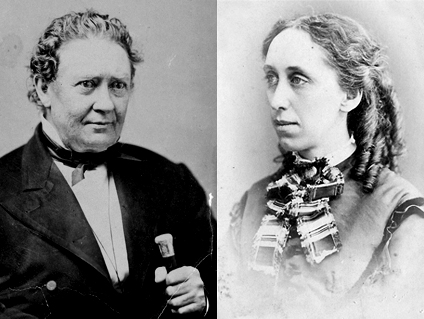
Tyler v. Burrington, where a male jury defied a statute to find for a pretty young plaintiff, is the case that made Lavinia Goodell famous. After that painful loss, she vowed to appeal to the Wisconsin Supreme Court. But first she had to gain admission to that court’s bar. Lavinia’s petition to argue before the Wisconsin Supreme Court led to a showdown with the fiery chauvinist, Chief Justice Edward G. Ryan.

Lavinia Goodell, January 29, 1876
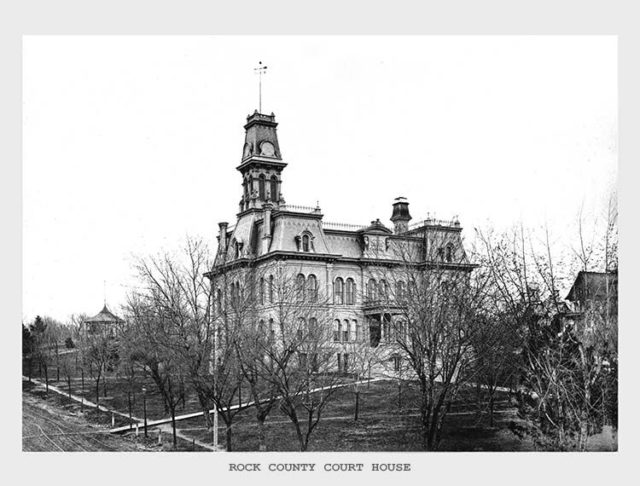
Closing arguments in the Leavenworth divorce were heard on January 25, 1876. Lavinia had spent a great deal of time preparing and was satisfied with her efforts. Her diary entry for that day noted:
At Court House all day arguing Leavenworth case. I “spouted” about two hours in morning and Bennett all afternoon…. Am immensely relieved that it is over. Quite an audience out.

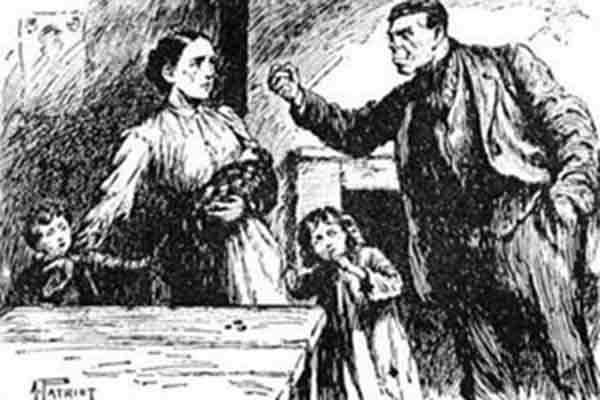
In late June of 1875, Lavinia Goodell was visited by a prospective new client. Elizabeth Leavenworth had started a divorce action against her husband, Ira, but was unhappy with her present lawyer and wanted Lavinia to take over the case. This was probably Lavinia’s most hard fought legal battle. The Rock County circuit court’s file in the Leavenworth divorce is one of the handful of Lavinia’s cases to have survived, so we not only have Lavinia’s diary entries and letters recounting her work on the case; we have the entire official court record.

Divorces were hard to come by in the 1800s. The petitioning party had to convince the court that grounds existed to dissolve the matrimonial bonds. The Rock County circuit court judge, Harmon Conger, looked for reasons not to grant a divorce, so Lavinia knew Mrs. Leavenworth faced an uphill battle. Still, Lavinia found Mrs. L’s case compelling.
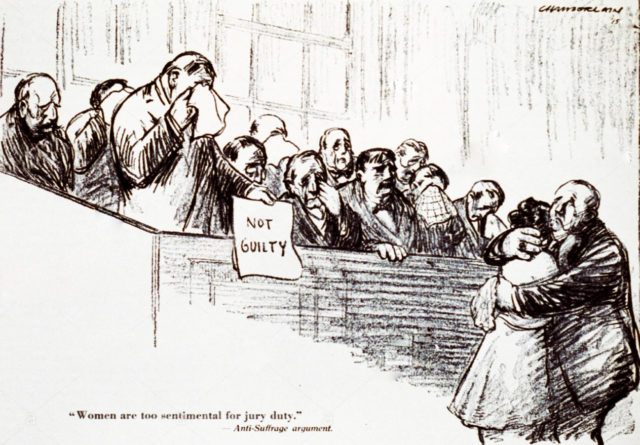
Continue reading →Dr. and Mrs. Lydia Burrington, a childless couple, took Sarah Tyler, a destitute orphan, into their home and treated her like a daughter. When Dr. Burrington died 10 years later, Sarah sued his estate for $1,100 in “wages.” Mrs. Burrington, executrix of the estate, hired Lavinia Goodell as defense counsel for the trial to an all-male jury. For Lavinia, this case proved why it was important to have women on juries.

Congratulations to the First Congregational United Church of Christ and Rev. Tanya Sadagopan on the church’s 175th anniversary. The Congregational Church played a robust role in Lavinia Goodell’s life in Janesville. She would be thrilled to know that her church is still serving the Janesville community and would be even more pleased to know that its pastor is a woman.

Lavinia Goodell, October 15, 1874
In August of 1874, just two months after being admitted to practice law, Lavinia Goodell was hired by a Chicago firm to sue a Janesville storekeeper who had refused to pay for a sack of peanuts.

The Janesville Gazette took note of the case:
Continue reading →Miss Lavinia Goodell appeared in justice court this morning as attorney for Messrs. Smith & Lord, of Chicago, in an action against John Davies, of this city. The suit was brought to recover the value of a sack of peanuts, which the plaintiff sent to Davies among other goods. He claims the nuts were worthless and refuses to pay for them.